Emergency Rental Assistance for Students: What's Available and How to Get It
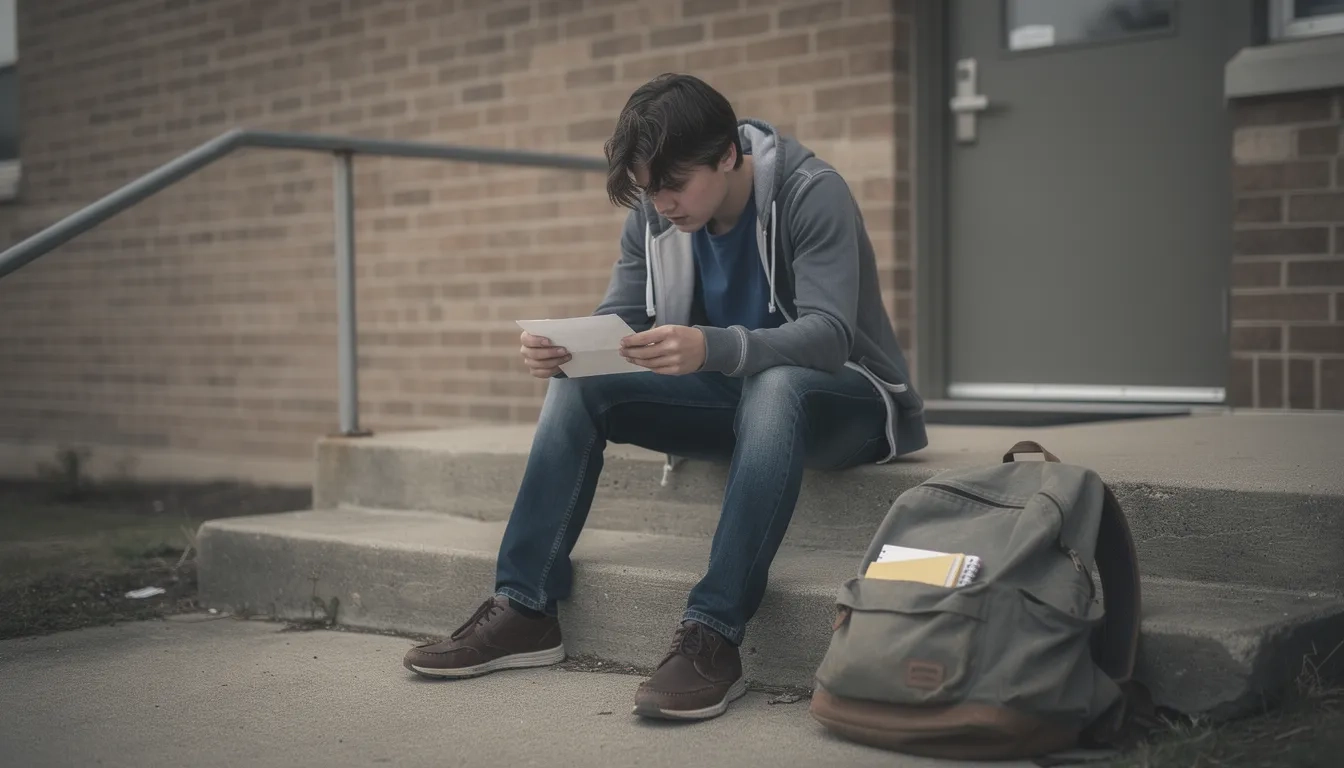
One in ten Cal State students is experiencing homelessness right now. Not temporarily tight on money. Outright homeless, as CalMatters confirmed in February 2026. And most of those students had no idea that specific, funded programs existed to help them stay housed. That's the problem this article addresses.
Why Students Are Usually Left Out of the Conversation
Most students assume emergency rental assistance is designed for working adults and families, not for someone juggling a course load. That assumption is wrong — and expensive.
The eligibility rules for most rental assistance programs are income-based, not employment-based. If your household income falls below 80% of the Area Median Income (AMI) for your region, you likely qualify. A student working 15 hours a week and paying rent near campus almost certainly meets that threshold.
The scale of the problem is larger than most people realize. A 2017 multi-campus survey of university students found 36% reported housing insecurity and 9% had experienced homelessness at some point in the preceding year. Rents have only climbed since then.
The core gap is awareness, not eligibility. The funding exists. Students don't apply because they don't know they qualify.
Three Layers of Help — and Which to Try First
Think of student rental assistance as a tiered system. Hit each layer in order, but apply to multiple tiers simultaneously when you're in crisis. Speed matters when rent is overdue.
Layer 1: Your University's Emergency Fund
This is the fastest source of help available. Most four-year universities and many community colleges maintain emergency grant programs, sometimes called Basic Needs grants, CARE funds, or Dean of Students emergency assistance. Cal State LA's Emergency Basic Needs and On-Campus Housing Grant Program covers rent and temporary housing costs directly. Ohio State extends up to $1,000 for housing emergencies. The University of Albany provides up to $2,000.
University grants typically disburse within 48 to 72 hours. Your school already has your FAFSA data, so there's no external income verification required. Go to your Dean of Students office or Basic Needs center first.
Layer 2: State-Level Rapid Rehousing Programs
California's College Focused Rapid Rehousing program runs at all 10 University of California campuses, 18 Cal State campuses, and 25 community colleges. Since its 2020 launch, the program has helped over 9,000 students facing housing instability. California spent $31 million on it in the most recent fiscal year.
This isn't a one-time grant. It's case management paired with real rental subsidies, with a housing specialist assigned to help you find and secure a unit.
Minnesota's Emergency Assistance for Postsecondary Students (EAPS) Grant, administered by the Minnesota Office of Higher Education, awarded $1 million to ten institutions in 2025, with individual schools eligible for up to $75,000 annually. Minnesota defines "homeless" broadly enough to include students doubled-up with relatives because they have nowhere stable to go. That definitional detail matters — a lot of students in that situation assume they don't count.
If you're in California, ask your campus housing office specifically about Rapid Rehousing. The program is often not advertised at the front-desk level — you have to ask by name.
Layer 3: Community, Nonprofit, and Federal Programs
The 211 network (call 2-1-1 or search 211.org) is the fastest way to surface local options you may not know about. Catholic Charities runs emergency housing assistance programs in most major metro areas, covering first month's rent and security deposits, and they serve students regardless of religious affiliation.
Federal Section 8 Housing Choice Vouchers are available to qualifying students through HUD. Waiting lists in most cities run long, but applying costs nothing — and getting on the list now matters for future stability.
| Layer | Program Type | Typical Timeline | Example Maximum |
|---|---|---|---|
| 1 – University | Emergency/CARE grants | 24–72 hours | $500–$2,000 |
| 2 – State | Rapid Rehousing, EAPS | 1–2 weeks | Ongoing subsidy |
| 3 – Community | 211, Catholic Charities, nonprofits | 1–4 weeks | $500–$3,500+ |
| 3 – Federal | Section 8 / Housing Choice Voucher | Months to years | Ongoing subsidy |
The FAFSA Homeless Youth Designation Almost Nobody Knows About
There's a piece of federal financial aid policy that changes the entire calculation for housing-insecure students. Almost no one talks about it.
If you lack stable housing, you may qualify as an "unaccompanied homeless youth" on the FAFSA. This classification makes you an independent student for financial aid purposes, removing your parents' income from the equation entirely, even if you're under 24. The result is usually a dramatically higher Pell Grant award and access to more institutional aid.
The FAFSA Simplification Act (Public Law No: 116-260) requires schools to verify your situation before removing the parental data requirement. Authorized verifiers include school district homeless liaisons, directors of emergency shelters or transitional housing programs, directors of TRIO or GEAR UP programs, and financial aid administrators at your school.
"Homeless" here is broader than most people expect. Doubled-up situations count — staying with a friend or relative because you have no safe alternative. Staying in a motel because you have no other option counts. Students in these situations routinely assume they don't qualify and never ask.
Contact your financial aid office and specifically request the "unaccompanied homeless youth" FAFSA determination. Don't wait for someone to bring it up.
How to Apply: Six Steps That Actually Work
Document your situation immediately. Photograph eviction notices or past-due rent letters. Save all landlord communications in writing. Every program you apply to will ask for these.
Contact your Dean of Students or Basic Needs office that same day. Be specific: "I need an emergency rental assistance grant and I want to know if I qualify as an unaccompanied homeless youth for FAFSA purposes." That sentence opens a very different conversation than "I'm struggling with rent."
Ask financial aid about the FAFSA homeless youth determination if your housing is unstable. This can unlock additional aid within the current academic year, not just starting next fall.
Call 211 while waiting to hear back from your school. Community programs can move faster than institutional ones, and they're not competing with each other for the same pool of money.
Apply to your state's dedicated program through your campus housing liaison. Your university may already be a partner in a state program you can access directly through the school.
Contact your landlord in writing. A brief explanation that assistance is in process and a request for a short extension works more often than people expect. Landlords prefer working something out over court proceedings, which cost them real money and time.
Mistakes That Delay or Kill Applications
Waiting too long is the most common one. Students wait until they've received a formal eviction notice before reaching out. Most programs can intervene before that point, and your options narrow significantly once legal proceedings begin.
Assuming family income disqualifies you. If you're living independently and paying your own rent, many programs assess only your personal income. The FAFSA homeless youth determination removes the parental factor completely. Don't self-disqualify without asking first.
Applying to only one source at a time. University emergency grants and community assistance programs are not mutually exclusive. Apply simultaneously. Programs prevent double-disbursement on their end — you're allowed to pursue multiple options at once.
If You've Already Received an Eviction Notice
Move fast. Most states give tenants 3 to 30 days before a court hearing can be scheduled, depending on the eviction type. Here's what to do:
- Call 2-1-1 immediately. Tell the operator you have an eviction notice with a specific date on it. Ask for eviction prevention resources specifically, not general housing help.
- Find a local legal aid organization. Many offer free tenant representation. Even securing a continuance buys time for assistance funds to arrive.
- Show up to any court date. A default judgment (what you get for not appearing) follows your rental history for years and makes finding future housing harder.
- Bring your notice to your Dean of Students office. That document is exactly the kind of emergency these funds exist for.
Students at UNCF member institutions should contact the UNCF Emergency Student Aid Program, which is specifically built for students experiencing housing and food insecurity.
My Take on the Bigger Problem
Honestly, this system is a patchwork, and where you happen to go to school largely determines what help you can access. A Cal State student today has Rapid Rehousing, campus emergency grants, and a $31 million state program. A student at a small private university in a state without coordinated housing funding may have access to a $500 emergency grant and a 211 referral. That gap isn't acceptable, and it's not the student's fault.
The writing is on the wall: housing insecurity is simultaneously a retention problem, a mental health crisis, and an equity issue. The students who fall through are usually first-generation students who feel shame about their situation, international students who assume they're ineligible, and students from families that own homes who think assistance programs aren't designed for people like them.
They are. The programs exist. Eligibility is broader than you think. The main variable — an unfair one — is whether you know to knock on the right door.
Bottom Line
- Go to your Dean of Students office today if you're behind on rent or in unstable housing. University emergency grants disburse in 24–72 hours and don't require external income verification.
- Request the FAFSA "unaccompanied homeless youth" determination from financial aid if your housing is precarious. This can change your entire aid package for the current academic year.
- Call 211 simultaneously. Community programs run in parallel with university help, and local resources vary widely.
- Apply early in a crisis, not after it deepens. The window between one month behind on rent and an eviction notice in your hand is exactly when assistance programs work best.
- The system isn't fair or consistent. But knowing the right terminology and the right offices to contact makes a real difference in what you can access.
Frequently Asked Questions
Can full-time students qualify for emergency rental assistance?
Yes. Full-time enrollment doesn't disqualify you from any of the major programs. Eligibility is primarily income-based, and most students earning under 80% of their area's median income qualify for community and state programs. University emergency grants typically have no income caps at all.
What if my parents earn too much for need-based aid?
Your parents' income matters primarily if you're a FAFSA-dependent student. If you're living independently and paying rent yourself, many programs assess only your personal income. The "unaccompanied homeless youth" FAFSA determination removes parental income from the calculation entirely for students in unstable housing situations, regardless of what their parents earn.
Do I have to be literally sleeping outside to qualify?
No. "At risk of homelessness" qualifies you for most programs. That includes being behind on rent, having received an eviction notice, living doubled-up with others because you have no stable alternative, or being in housing that may not last. Minnesota's EAPS program explicitly includes doubled-up students in its eligibility definition — this isn't an edge case.
How quickly can funds actually arrive?
University emergency grants typically arrive within 24–72 hours. Community and state-level programs take 1–4 weeks, depending on documentation and application volume. If eviction is imminent, prioritize your university first. Start your 211 call the same day, and don't wait for one approval before pursuing the others.
What documents should I have ready before applying?
Gather these before your first call: a copy of your lease, any past-due rent notices or eviction paperwork, one to three months of bank statements, proof of enrollment, and income documentation or your FAFSA Student Aid Report. Having them ready before you make contact cuts processing time considerably.
Are international students eligible?
It depends on the program and visa status. University emergency grants often have no citizenship requirement. Federal programs like Section 8 typically require lawful permanent residence. State programs vary by jurisdiction. Start with your Dean of Students office — many schools maintain separate emergency funds that are open to all enrolled students regardless of immigration status.
Sources
- 1 in 10 Cal State students face homelessness. This emergency housing program helps — CalMatters
- Emergency Assistance for Postsecondary Students (EAPS) Grant — MN Office of Higher Education
- FAFSA Independence Guide for Unaccompanied Homeless Youth — SchoolHouse Connection
- Where Can I Find Student Rent Assistance? — Scholarships360
- UNCF Emergency Student Aid Program — UNCF
- Emergency Rental Assistance Program — U.S. Department of the Treasury