Career Pathways in Government for Students: How to Actually Break In
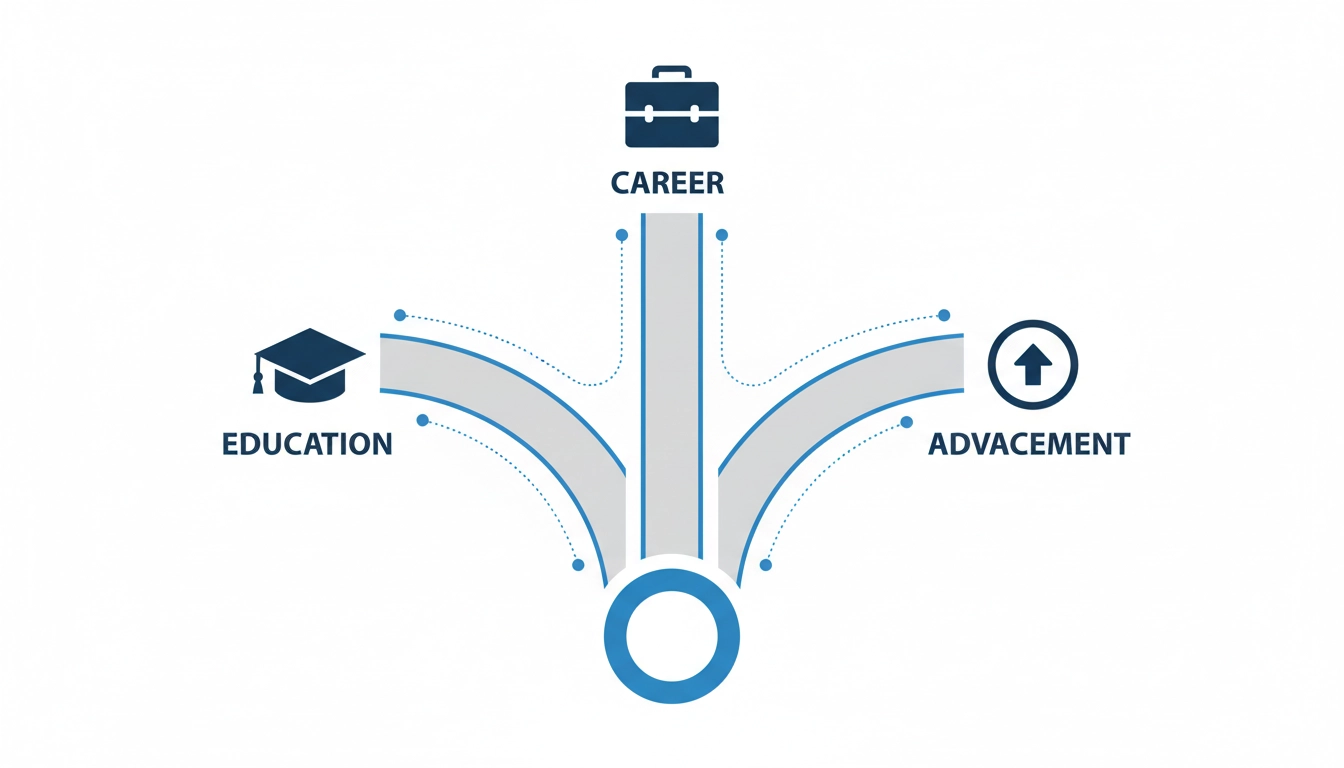
In February 2025, the White House signed an Executive Order terminating the Presidential Management Fellows Program — the federal government's most prestigious two-year leadership fellowship for graduate students. Career counselors at places like Georgetown's McCourt School sent panicked emails. Students who had spent months preparing PMF applications had to rethink their plans overnight. But here's what the news cycle mostly missed: the federal government simultaneously expanded other student hiring pathways, raising starting salaries and extending conversion windows. The elephant in the room isn't that government stopped caring about early talent. It's that most students never understood how the system worked in the first place.
What the Federal Pathways Program Actually Offers
The U.S. Office of Personnel Management runs three structured hiring tracks for students and early-career candidates. They differ in meaningful ways, and picking the right one matters.
The Internship Program is the most accessible entry point. It's open to high school, undergraduate, and graduate students — any level, as long as you're enrolled at least part-time. Positions are paid, typically running 8 to 12 weeks per term across fall, spring, and summer cycles.
The number that matters here is 480 hours. Complete 480 internship hours (or 320 if your agency grants a waiver) and you become eligible for noncompetitive conversion — meaning the agency can hire you permanently without posting a public job announcement. That's a real structural advantage over the open civilian market, where you're always competing against everyone.
The Recent Graduates Program is for people within two years of earning a degree (or within six years for veterans). It's a 1-to-2-year developmental assignment with mandatory mentorship, 40+ hours of formal training, and a defined track toward a permanent role. A 2025 rule change raised the maximum entry grade for this program from GS-9 to GS-11 — adding over $10,000 to starting salaries in many locations.
One quiet but significant change: eligibility now extends beyond four-year degrees. Students who completed Registered Apprenticeships, AmeriCorps service, or certain Peace Corps programs can now qualify. That's a real shift toward vocational and alternative pathways.
The conversion window also expanded. Agencies now have 180 days (previously 120) to convert interns into permanent positions — more time for both sides to make the call.
State and Local Government: The Overlooked On-Ramp
Federal jobs get all the attention. But roughly 19 million people work for state and local governments in the United States, compared to about 3 million in the federal civilian workforce. That's a 6-to-1 ratio. And yet most students focus their energy almost entirely on USAJOBS.
State and local governments hire constantly — urban planners, budget analysts, public health coordinators, parks administrators, IT specialists, communications officers. These jobs are often less competitive than federal roles, move through hiring faster, and place you closer to visible, immediate outcomes. If you want to watch a road actually get built, or see a housing ordinance move from draft to city council vote, local government is where that happens.
The application infrastructure is more fragmented. GovernmentJobs.com aggregates many state and municipal listings, but each jurisdiction runs its own process. Some cities maintain continuous open-rank lists where you apply once and stay eligible for months. Others run competitive examination cycles. Learning your target jurisdiction's specific process before you need it is time well spent.
Several states also run their own student programs that most people outside those states have never heard of: California's State Internship Program, Texas's Graduate Management Internship, and the National League of Cities' fellowship cohorts, to name three.
The Career Landscape: What These Jobs Actually Look Like
"Government" spans wildly different work environments, pay structures, and career trajectories. Here's a breakdown of the main tracks:
| Career Track | Entry-Level Salary | Degree Typically Needed | Hiring Volume |
|---|---|---|---|
| Policy Analyst | $65,000–$85,000 | Bachelor's or Master's | Moderate |
| Budget/Finance Analyst | $70,000–$90,000 | Bachelor's (accounting, econ) | High |
| Program Manager/Analyst | $65,000–$85,000 | Bachelor's | Very High |
| IT/Cybersecurity Specialist | $75,000–$110,000 | Bachelor's or certifications | Very High |
| Public Health Analyst | $60,000–$80,000 | Bachelor's or MPH | Moderate |
| State/Local Administrator | $65,000–$85,000 | Bachelor's | High |
| Urban/City Planner | $60,000–$80,000 | Master's preferred | Moderate |
Salary ranges reflect early-career national figures from Cornell's Brooks School MPA outcomes data and OPM General Schedule pay tables for 2025.
The fastest-growing entry points right now are IT and cybersecurity. CISA (the Cybersecurity and Infrastructure Security Agency) runs its own Pathways internship cohort with some of the strongest conversion rates in the federal system. The government is still behind private sector tech salaries, but for students motivated by mission over maximum comp, the gap has closed enough to matter.
Budget and program analyst roles — occupational series 0343 and 0560 on USAJOBS — are the highest-volume, most accessible positions across agencies. If you need a job, these are where the openings are.
The Application Strategy Nobody Teaches You
Most students find out about government jobs too late. USAJOBS announcements close in as few as five business days. Many Pathways internship cycles open in October for summer positions and close before Thanksgiving. If you learn about an opportunity in December and the deadline was November 6th, you've already lost that cycle.
The federal hiring process rewards preparation over spontaneity. Unlike private-sector recruiting, where a well-timed cold email can open doors, government jobs run on announcement windows. Miss them and you wait a year.
Here's the framework that actually works:
Pick your level first. Federal offers the most structured development path but the slowest hiring — OPM's own metrics show federal time-to-hire averaged 97.7 days in fiscal year 2024. Local government can move in weeks. Know which timeline you can work with.
Create a USAJOBS account in junior year, not senior year. Set automated alerts by agency, location, and job series. Knowing the occupational series codes (0343 for management/program analysis, 0560 for budget analysis, 2210 for IT) sounds bureaucratic, but it filters thousands of irrelevant postings instantly.
Build a federal resume before you need it. A federal resume is not a two-page private-sector document. It runs 4 to 6 pages and must include specific hours-per-week, supervisor contact info, and accomplishment-based descriptions tied directly to the job announcement's competencies. Plan to spend 3 to 4 hours on one solid version — then customize it per application.
Network inside agencies. Informational interviews with people already in roles you want aren't just networking etiquette. They're strategically useful. Agency HR contacts and program managers can tell you when announcement windows open and which announcements to watch.
Apply broadly early on. Your first government application teaches you more than any guide. Send 5 to 8 applications, treat rejections as calibration data, and refine your resume against the job announcement language before the cycle that actually matters.
The Real Trade-offs Nobody Talks About
Government careers look different once you factor in total compensation. Federal employees receive pension contributions, Federal Employees Health Benefits coverage (with the government paying roughly 72% of premiums), and access to the Thrift Savings Plan with up to 5% agency matching. The Public Service Loan Forgiveness program cancels remaining Direct Loan balances after 120 qualifying monthly payments — 10 years of service. The average forgiven balance for approved PSLF applicants has been around $65,000, according to Department of Education data through 2024.
But the trade-offs are real. Federal hiring is genuinely slow — that 97.7-day average means if you apply in August, you might start in November. Private tech companies can run application-to-offer in two weeks. If you're three months from graduation with rent due, the federal timeline is a real risk.
Advancement inside agencies can feel slow compared to consulting or startup environments. The GS pay scale rewards tenure more than exceptional performance. Some people find that stability ideal; others hit a wall within two years. Knowing which type you are before you commit saves everyone time.
My honest read: government is the right choice for people who are patient, thorough, and genuinely motivated by public outcomes — not just people who "want to make a difference" in the abstract. If you want to work on problems that affect how millions of people access healthcare, where infrastructure dollars go, or how a city's climate policy gets written, there are very few other employers where your direct work product operates at that scale.
Building Your Government Career Roadmap
The timing of each step matters more in public sector recruiting than almost anywhere else.
Freshman/Sophomore year:
- Join a student government, policy organization, or local civic engagement group to build relevant experience early
- Explore part-time positions in local or county government — these are often posted on city websites and overlooked by most students
Junior year:
- Apply for summer Pathways internships (application windows open October–November)
- Set USAJOBS alerts for your target GS series codes and target agencies
- Pursue state government programs in parallel — they often have shorter timelines and are less competitive
Senior year and beyond:
- Apply to the Recent Graduates Program within 2 years of earning your degree
- If you have a Master's or law degree, watch for agency-specific leadership development programs emerging to fill the gap left by the PMF's termination
- Use the Partnership for Public Service's Go Government portal to track new programs as agencies build their own pipelines
The students who land government jobs aren't usually the ones with the best grades. They're the ones who started building a targeted resume in junior year, applied to internships before winter break, and treated USAJOBS like a product they had to learn — not a website they could figure out last minute.
Bottom Line
- Start your federal job search in junior year. The Pathways internship conversion pipeline is the fastest route to a permanent federal position, and application windows close by November for summer roles.
- State and local government is seriously underrated. With 19 million jobs versus 3 million federal civilian positions, the competition is lower and the day-to-day impact is often more direct and visible.
- Build a federal resume before you need one. A strong federal resume takes a real afternoon — doing it early puts you ahead of the majority of applicants.
- Run the full compensation math. PSLF, pension, and health benefits shift the comparison against private sector salaries significantly. For a graduate with $65,000 in loans, loan forgiveness alone can outweigh a modest salary gap.
- The Pathways Program got better in 2025, not worse. Higher starting grades, longer conversion windows, and expanded eligibility make this a stronger pipeline than it was two years ago — despite the PMF loss.
Frequently Asked Questions
Do I need a political science or public administration degree to work in government?
No — and this assumption keeps many students from ever applying. Federal agencies hire engineers, data scientists, accountants, IT professionals, public health specialists, lawyers, and communications experts at scale. Your degree determines which occupational series you qualify for on USAJOBS, not whether you qualify at all. An accounting major targets GS-0510; an IT major targets GS-2210. The public sector needs specialists far more than it needs generalists.
How competitive are Pathways internships compared to private sector internships?
It depends entirely on the agency and role. Pathways positions at CISA, the State Department, and the Office of Management and Budget draw nationally competitive applicant pools. Positions at smaller field offices within agencies like the USDA Forest Service or Bureau of Reclamation are far more accessible. A practical strategy: apply to both tiers simultaneously. Landing a smaller-agency internship with a real conversion path is worth more than a rejection from a marquee program.
Is the federal government actually hiring students right now, given recent workforce reductions?
Yes, but selectively. The 2025 DOGE-related restructuring affected specific agencies and programs — and the PMF was explicitly terminated. However, Pathways Program rule expansions happened in the same period, and agencies in mission-critical areas (defense, cybersecurity, public health, infrastructure) have continued active hiring. The picture varies agency by agency. Check individual agency careers pages alongside USAJOBS, and use Go Government's portal for up-to-date program tracking.
What is Public Service Loan Forgiveness and who actually qualifies?
PSLF cancels your remaining federal Direct Loan balance after 10 years (120 qualifying monthly payments) in a full-time public sector or 501(c)(3) nonprofit role while on an income-driven repayment plan. The Department of Education approved over 1 million PSLF applications between the program's 2022 overhaul and the end of 2024 — a sharp increase from previous years when the approval rate was under 2%. The critical detail most students miss: private sector contractors who work on government projects don't qualify. You must be directly employed by a government entity or qualifying nonprofit.
What's the difference between GS-7 and GS-9 entry-level hiring, and does my degree matter?
The General Schedule runs from GS-1 to GS-15. Most Bachelor's degree graduates without relevant experience enter at GS-5; those with strong GPAs or related experience typically qualify for GS-7. A Master's degree generally qualifies for GS-9 entry. The 2025 rule change now lets agencies start Recent Graduate Program participants at GS-11 — a level that previously required documented experience, not just a degree. In practice, that single change added meaningful money to early-career federal salaries in high cost-of-living localities.
Can students without four-year degrees realistically pursue government careers?
Yes, and the eligibility rules changed specifically to reflect this. As of 2025, the Pathways Program accepts applicants who completed Registered Apprenticeship Programs, qualifying AmeriCorps service, or certain Peace Corps programs alongside traditional academic degrees. State and local governments have historically been more flexible on degree requirements for technical and trades-adjacent roles. The federal GS pay scale also has formal provisions for hiring at GS-5 based on experience equivalency rather than a diploma — a provision that existed before the rule changes but wasn't widely communicated.
Sources
- Students & Recent Graduates — U.S. Office of Personnel Management
- USAJOBS Help Center: Students
- The Pathways Program transformed agencies' approach to early-career hiring — Federal News Network
- Resources for Students, Recent Graduates, and Entry-Level Jobseekers — Go Government
- 7 High-Impact Government and Public Service Careers for MPA Graduates — Cornell Brooks School of Public Policy
- Public Policy Careers: 2025 Guide to Career Paths, Options & Salary — University at Buffalo Career Design Studio